Availability: 849 in stock
Couldn't load pickup availability
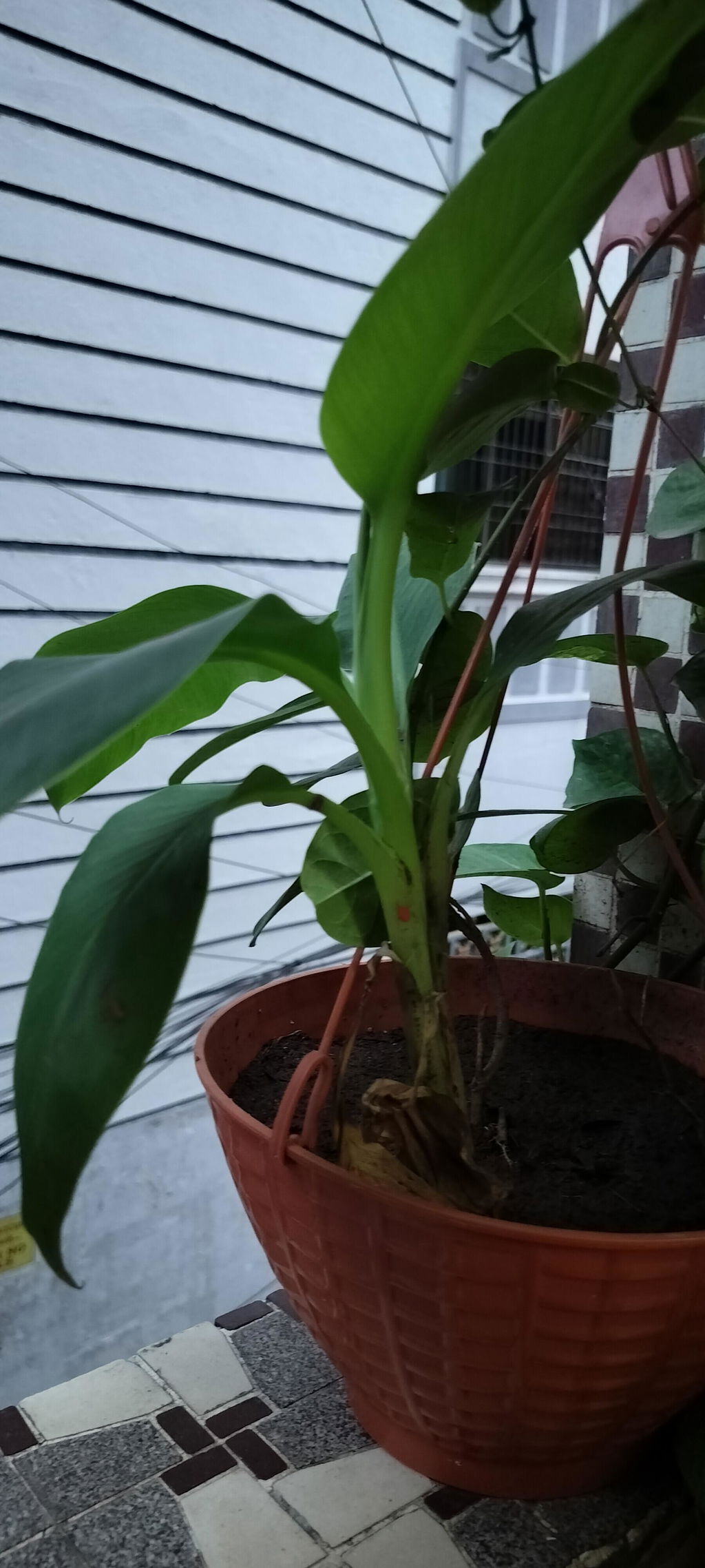
The tissue culture Grand Nain (G9) banana plant is a compact, heavy-yielding dessert banana variety, raised in the nursery from disease-free tissue culture stock so it reaches you as a healthy, uniform young plant. This care guide covers what to expect when it arrives and how to grow it on.
Your G9 arrives as a young tissue culture plantlet, smaller than a field-grown sucker. Keep it in a shaded, sheltered spot for the first week or two, water it lightly, and pot it up or plant it out once it has settled and shows new leaf growth.
In open ground, allow about 6 to 8 feet (roughly 2 to 2.5 metres) between plants so each one gets light and air. Choose a spot sheltered from strong wind.
Grand Nain bananas grow best in full sun, about 6 or more hours of direct light a day. Very young plantlets appreciate partial shade during the hottest part of the day.
Keep the soil consistently moist but never waterlogged. Bananas are thirsty plants, so water regularly during dry weather and reduce watering slightly in cool months. Good drainage is essential.
Plant in rich, well-draining loamy soil with plenty of organic matter mixed in. Avoid heavy, water-retaining soil, which can rot the corm.
G9 bananas are heavy feeders. Apply a balanced fertilizer about once a month through the growing season, and top up the soil with compost or well-rotted manure from time to time.
This variety suits warm, humid tropical and subtropical climates and grows best in temperatures around 25 to 30°C. It is not frost tolerant, so protect it from cold snaps.
A large container, 50 litres or more with drainage holes, can hold a G9 banana on a patio or balcony, though potted plants stay smaller and need more frequent watering and feeding. Open ground gives the plant room to reach its full size and yield.
With good care, a Grand Nain banana typically flowers and sets its first bunch around 12 to 15 months after planting, with the bunch maturing a few months later. Its compact pseudo-stem makes it reasonably wind resistant. After the main stem fruits, it dies back naturally, and new suckers arising from the base carry the next crop.
We ship all over India within 5-10 business days